
From private residences to large-scale commercial spaces, George Furniture provides project-oriented furniture solutions tailored to your space, design direction and practical requirements.
Whether you are furnishing a villa, apartment, hotel, office or another commercial environment, we help you explore suitable furniture options and coordinate key project requirements.
Residential projects require furniture that balances comfort, functionality and visual consistency. George Furniture supports furniture planning for different property types, helping clients consider furniture styles, space requirements and customization options within a coordinated interior scheme.


Understand our step-by-step furniture project process, from the initial project brief and requirements review to specification confirmation, production coordination and delivery.
Discover how 3D visualization and custom furniture options can help align furniture dimensions, materials, finishes and design details with your project requirements.
Learn how we coordinate furniture requirements for villas, apartments, hotels, offices, restaurants and other residential or commercial spaces.
Understand how furniture specifications, materials, finishes, dimensions and construction details can be reviewed according to the agreed inspection requirements.
Find out more about delivery coordination, international shipping arrangements and communication support after furniture delivery.
A structured process helps keep furniture decisions aligned with the project requirements. The exact workflow depends on the project size, customization needs and delivery arrangements.
We begin by learning about your project type, location, room requirements, design direction, estimated quantities and purchasing timeline.
Floor plans, interior design drawings, reference images or a preliminary furniture schedule can help us understand the scope more accurately.
Based on the information provided, we review the furniture categories, dimensions, functional needs and potential customization requirements. This stage helps clarify which furniture items are needed and how they relate to the overall project.
We coordinate relevant furniture options, material and finish selections, and project information for review. Where required and agreed, design references or 3D visualizations can help communicate the proposed direction.
Before moving forward, the relevant furniture specifications, quantities, finishes, customization details, commercial terms and delivery expectations should be reviewed and confirmed.
Clear documentation helps reduce misunderstandings during subsequent stages.
For orders involving customized or production-based furniture, the agreed specifications provide a reference for production coordination and applicable quality inspections.
The inspection scope and approval arrangements should be established according to the project requirements.
Delivery arrangements are coordinated according to the agreed order and destination. After delivery, clients can contact the team regarding reported issues, missing items or other matters covered by the agreed after-sales terms.
Furniture needs to work with the space, not just look attractive on its own. For projects with specific layouts, coordinated interior styles or non-standard dimensions, design and customization support can help bring furniture selections closer to the intended result.
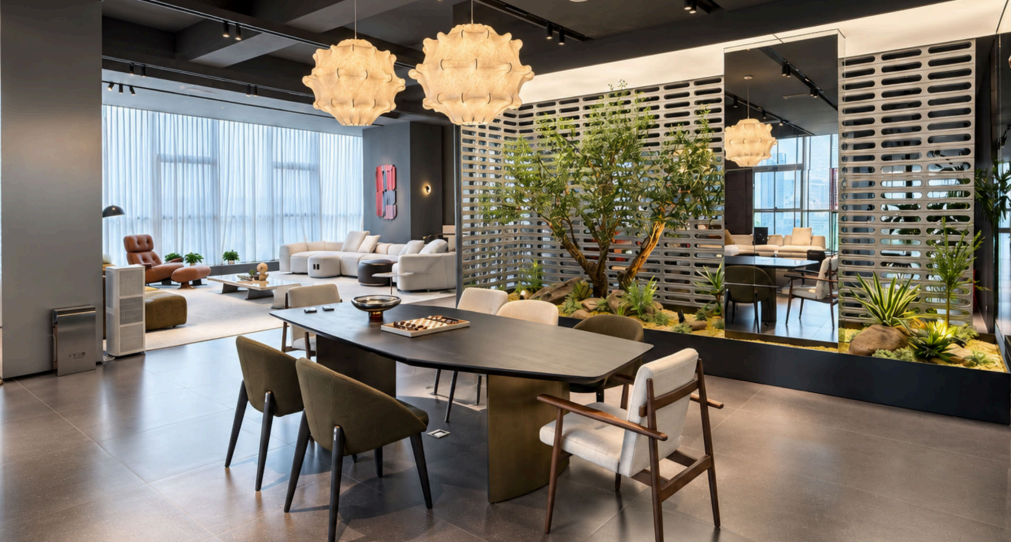

3D visualization can help project owners, designers and purchasing teams understand how proposed furniture may fit within an interior.
Depending on the agreed scope, design support may help with:
3D images are planning and communication tools. Final production should be based on confirmed dimensions, drawings, specifications and approved details rather than visual representations alone.
Custom furniture can be considered when a project requires specific sizes, layouts, finishes or functional features.
For villas and apartments, customization may help accommodate room dimensions, storage requirements, preferred styles and the needs of different household areas.
Hotel projects need matching furniture for guest rooms, suites, lobbies and public areas. We follow usage needs, unified design and onsite operation rules.
Offices, restaurants, schools and other commercial spaces have different needs on size, function, durability and space layout. We customize based on real project demands.
Furniture quality and look rely on more than design alone. We select materials, finishes, hardware and details to match your usage scenarios and project standards.
From 3D visualization to custom dimensions, materials and finishes, design and customization can help align furniture with your project’s requirements.
Furniture projects often involve multiple spaces, decision-makers and specifications. Project support helps connect furniture selections with the broader requirements of the property.
Hotel furniture planning may involve guest rooms, suites, reception areas, lounges, restaurants and other designated spaces. Different areas can have different functional and design requirements.
Project support focuses on understanding the scope, coordinating furniture specifications and reviewing relevant requirements across the spaces included in the project.
For villas and apartments, support may include coordinating furniture for living rooms, bedrooms, dining areas, kitchens and other designated spaces.
For multi-unit residential developments, furniture requirements can be reviewed across different room types or unit layouts, helping maintain a consistent design direction where required.
Commercial furniture projects may involve reception areas, meeting rooms, workspaces, restaurants, schools, hospitals and other operational environments.
Furniture selection should consider how each space will be used, the available layout, practical functionality and the project’s design objectives.
Furniture does not exist in isolation. Depending on the project scope, clients may also need to coordinate furniture with lighting, flooring, doors, bathroom products, stone surfaces or other interior materials.
Furniture quality is an important consideration for both residential and commercial projects. Clear specifications and appropriate inspection arrangements help establish what needs to be checked before furniture is accepted or delivered.


Before production or order confirmation, relevant details should be reviewed, including dimensions, materials, finishes, hardware, quantities and customization requirements.
For projects involving multiple furniture items, a consistent specification helps different pieces remain aligned with the approved design direction.
Where applicable, materials and finishes can be reviewed against the confirmed requirements. Important considerations may include surface appearance, color consistency, finish details and the suitability of selected materials for their intended application.
Relevant dimensions, assembly details, structural components and functional features should be checked against the approved specifications and the inspection scope agreed for the project.
For applicable orders, inspection arrangements can be discussed before delivery. The specific checks, inspection method, documentation and approval process depend on the order and agreed terms.
If a discrepancy or concern is identified, it should be documented and communicated to the relevant parties so that the appropriate next steps can be discussed before delivery or acceptance, where applicable.
Quality control requirements vary by furniture type and project. Specific inspection standards and procedures should be confirmed as part of the project agreement.
Furniture delivery requires planning around the order, destination, shipment arrangements and project schedule. For international furniture projects, delivery requirements should be clarified early so that the relevant arrangements can be coordinated.
Depending on the agreed order and delivery terms, logistics coordination may cover:
Shipping methods, costs, lead times and responsibilities depend on the order, destination and agreed commercial terms.
For projects involving multiple rooms or furniture categories, delivery planning should consider the project’s readiness to receive the furniture, access conditions and any agreed delivery sequence.
Clients should communicate important site or schedule constraints as early as possible so they can be reviewed before arrangements are finalized.
If an issue arises after delivery, clients can contact the team with the relevant order information, photographs and a description of the concern.
The team can review the information and discuss the appropriate next steps in line with the agreed warranty, after-sales policy and order terms.
Before proceeding, clients should clarify the delivery destination, estimated lead time, shipping responsibilities, installation scope if applicable, warranty coverage and the process for reporting issues.
These details help establish realistic expectations and reduce uncertainty throughout the project.
Depending on the agreed scope, George Furniture can support furniture planning, selection, and specification coordination; custom furniture requirements; design and 3D visualization support; quality inspection coordination; delivery arrangements; and after-sales communication.
Yes. You can discuss furniture requirements for an entire property or selected rooms and areas. The appropriate scope depends on your project needs.
3D visualization and design support may be available depending on the project requirements and agreed service scope. Share your floor plans, drawings, or reference images so the team can review what support is appropriate.
Quality requirements should be established against the confirmed specifications. Depending on the order and agreed arrangements, relevant checks may cover materials, finishes, dimensions, construction details, and other specified requirements.
Installation availability depends on the destination, project requirements, and agreed scope. Please confirm installation needs with the team before finalizing your order.
Yes. Project requirements can be discussed for villas, apartments, hotels, offices, restaurants, hospitals, schools, and other commercial environments.
Custom furniture requirements can be reviewed according to the proposed design, dimensions, materials, finishes, technical feasibility, and production arrangements.
The process generally begins with a project brief and requirements review, followed by furniture selection, proposal development, specification confirmation, applicable quality checks, and delivery coordination. The exact workflow varies by project.
International delivery arrangements can be discussed according to the order, destination, shipping requirements, and agreed commercial terms. Delivery options, costs, and lead times need to be confirmed for each project.
Whether you are furnishing a villa, planning a hotel project or coordinating furniture for a commercial development, the first step is understanding your requirements.
Share your project type, location, furniture needs and timeline. Our team can review the information and discuss the appropriate next steps with you.